
How to Match Shoes With Outfits in 2026: A Practical Shoe Color Matching Guide
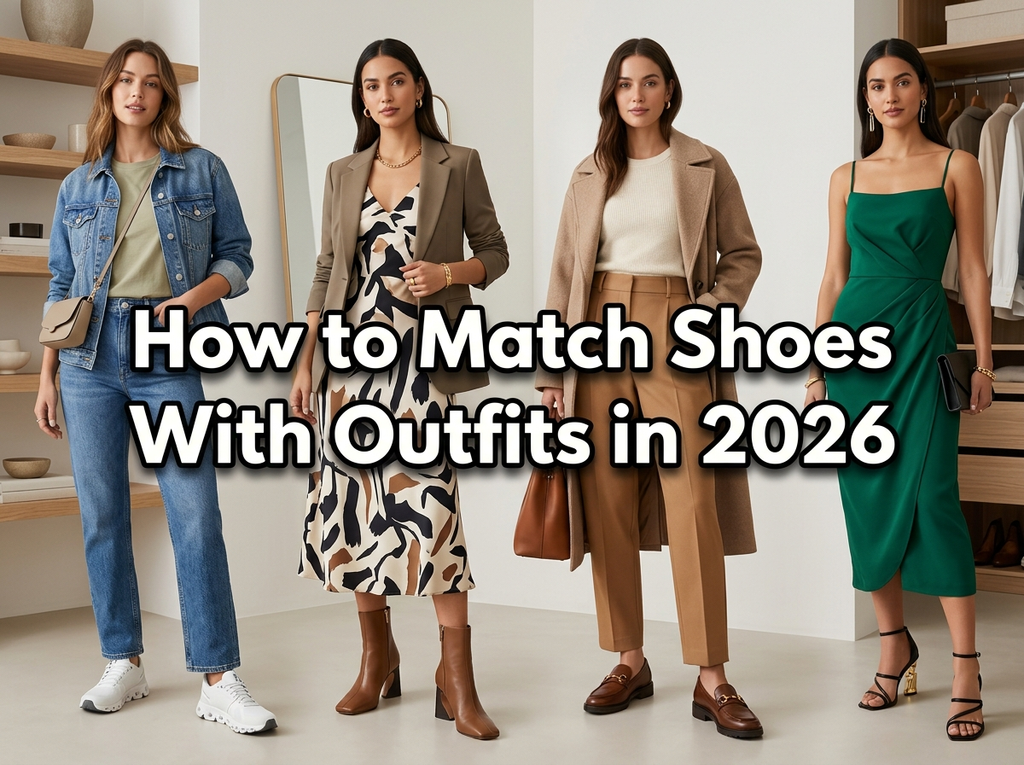
The right shoes can change the entire impression of an outfit. A simple pair of jeans can look polished with loafers, relaxed with sneakers, or more refined with pointed-toe flats. Likewise, a tailored suit, everyday dress, or office outfit can feel unbalanced when the shoe color, shape, or level of formality does not suit the rest of the look.
Learning How To Pair Shoes With Outfits is less about following strict fashion rules and more about understanding color, proportion, occasion, texture, and personal style. You do not need a separate pair of shoes for every outfit. A carefully chosen collection of versatile shoes can work across seasons and dress codes.
In this guide, we will cover practical shoe color combinations, everyday styling formulas, office footwear, dress shoes, seasonal outfit ideas, and the most common matching mistakes. You will also find a useful Shoe Color Matching Guide to help answer questions such as What Color Shoes Should I Wear? and What Colour Shoes Go With Everything?
The goal is simple: help you choose shoes with more confidence while keeping your outfits comfortable, coordinated, and appropriate for the occasion.
1. Start With the Occasion Before Choosing Your Shoes
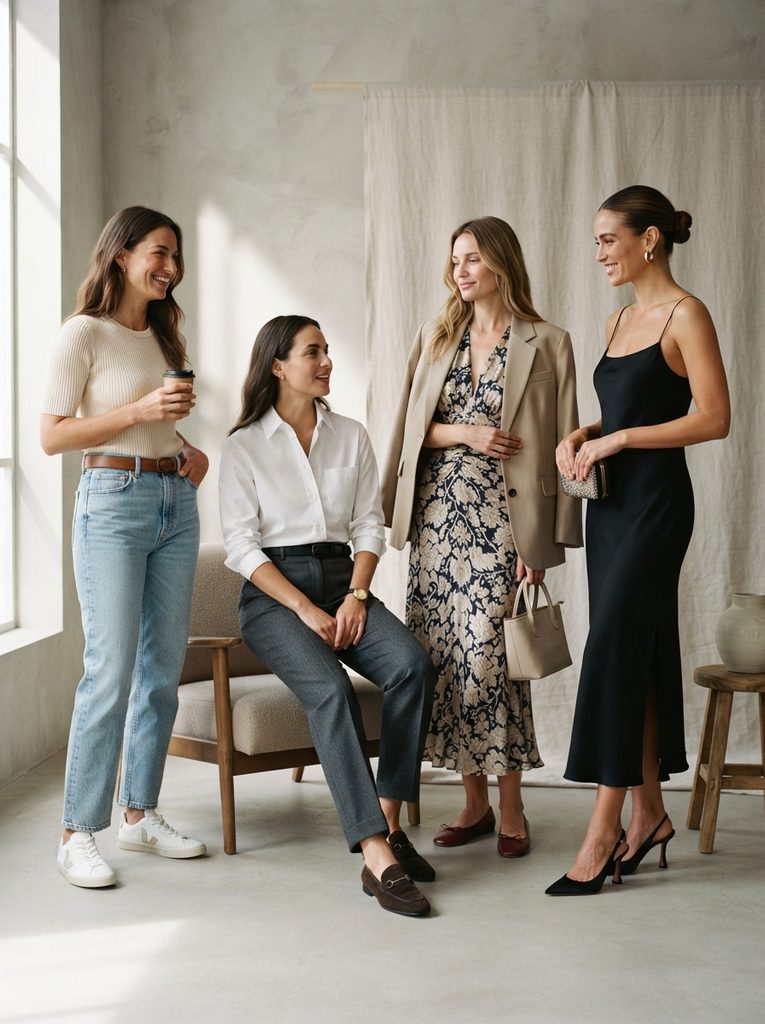
Before thinking about color, consider where you are going and what the outfit needs to communicate. The same trousers can look completely different with sneakers, loafers, ballet flats, or heels.
For a casual coffee date, clean sneakers, ballet flats, or flat sandals may be appropriate. A business meeting usually calls for more structured footwear, such as loafers, pumps, polished flats, or dress shoes. A wedding or evening event may allow satin heels, metallic sandals, pointed-toe pumps, or embellished footwear.
The level of formality should also match the clothing. A delicate slip dress with chunky athletic sneakers creates a deliberate contrast, while the same sneakers with tailored trousers can produce a relaxed everyday outfit. Neither combination is automatically wrong, but the contrast should look intentional.
Your comfort needs matter just as much. A shoe that looks attractive but causes pain, slips at the heel, or makes walking difficult is not a practical choice for a long day.
2. How To Pair Shoes With Outfits Using Color Balance
Shoe color can either blend into an outfit or become the main point of interest. Both approaches work, but the choice should support the rest of your clothing.
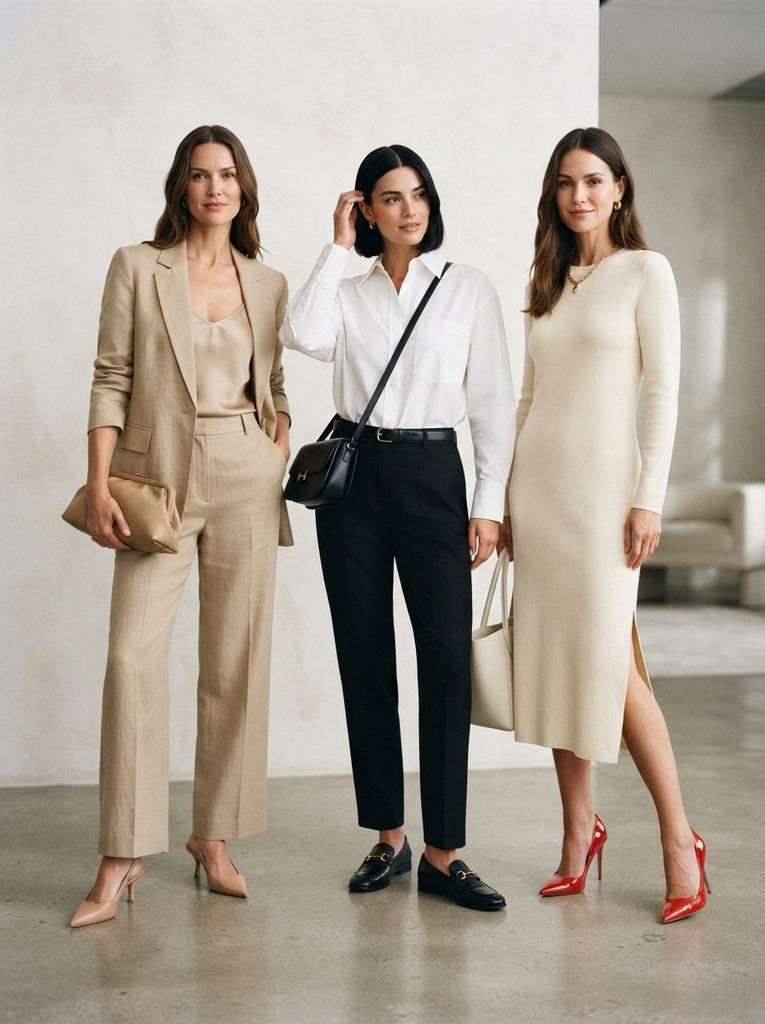
A neutral outfit gives you more freedom. Black trousers, a white shirt, and a beige coat can be paired with black loafers for a streamlined appearance or red pumps for a stronger color accent. If your outfit already contains several bright shades, a neutral shoe may create a calmer finish.
You can also coordinate shoes with one smaller element, such as a handbag, belt, scarf, jewelry detail, or printed pattern. The shoe does not need to match the bag exactly. Repeating a related color family is often enough.
For example, burgundy shoes can work with a brown handbag, while tan shoes can complement gold jewelry and warm beige clothing. The aim is visual connection rather than perfect duplication.
Three Useful Color-Balance Approaches
- Blending: Choose shoes close to the color of your trousers, tights, or skin tone for a longer visual line.
- Repeating: Pick up a color already present in your outfit or accessories.
- Contrasting: Use a different but intentional color to make the shoes stand out.
3. Shoe Color Matching Guide: What Color Shoes Should I Wear?
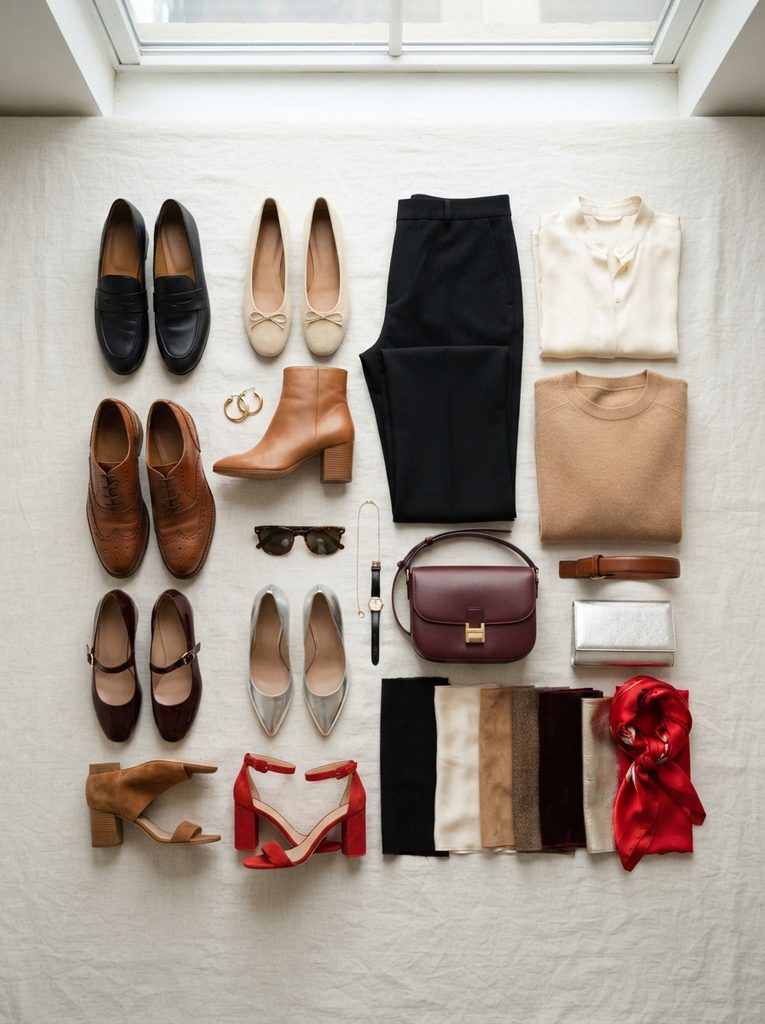
When you are unsure what color shoes to choose, begin by identifying the dominant color in your outfit. Then consider whether you want the footwear to blend in, repeat a shade, or create contrast.
| Outfit color | Shoe colors to consider | Overall effect |
| Black | Black, burgundy, silver, nude, red | Classic, refined, or expressive |
| White | Tan, brown, black, metallic, pastel | Fresh, clean, or contrasted |
| Beige | Brown, cream, black, burgundy, gold | Warm and coordinated |
| Navy | Brown, tan, black, silver, burgundy | Polished and versatile |
| Gray | Black, white, burgundy, metallic, navy | Modern and balanced |
| Denim | White, brown, black, red, silver | Casual or elevated |
| Green | Brown, cream, black, burgundy, gold | Earthy or sophisticated |
| Pink | Nude, white, burgundy, silver, black | Soft, elegant, or bold |
| Red | Black, nude, brown, metallic, burgundy | Strong and intentional |
| Brown | Cream, tan, black, burgundy, animal print | Warm and stylish |
These are starting points rather than fixed rules. The specific shade matters. Pale blush pink and saturated fuchsia will create different effects, just as chocolate brown and light camel will not style in exactly the same way.
For a more cohesive outfit, consider the temperature of the colors. Warm colors such as camel, rust, cream, and mustard often pair naturally with warm browns and gold-toned footwear. Cool colors such as icy blue, charcoal, and blue-based pink can work well with black, silver, and cooler neutrals.
4. What Colour Shoes Go With Everything?
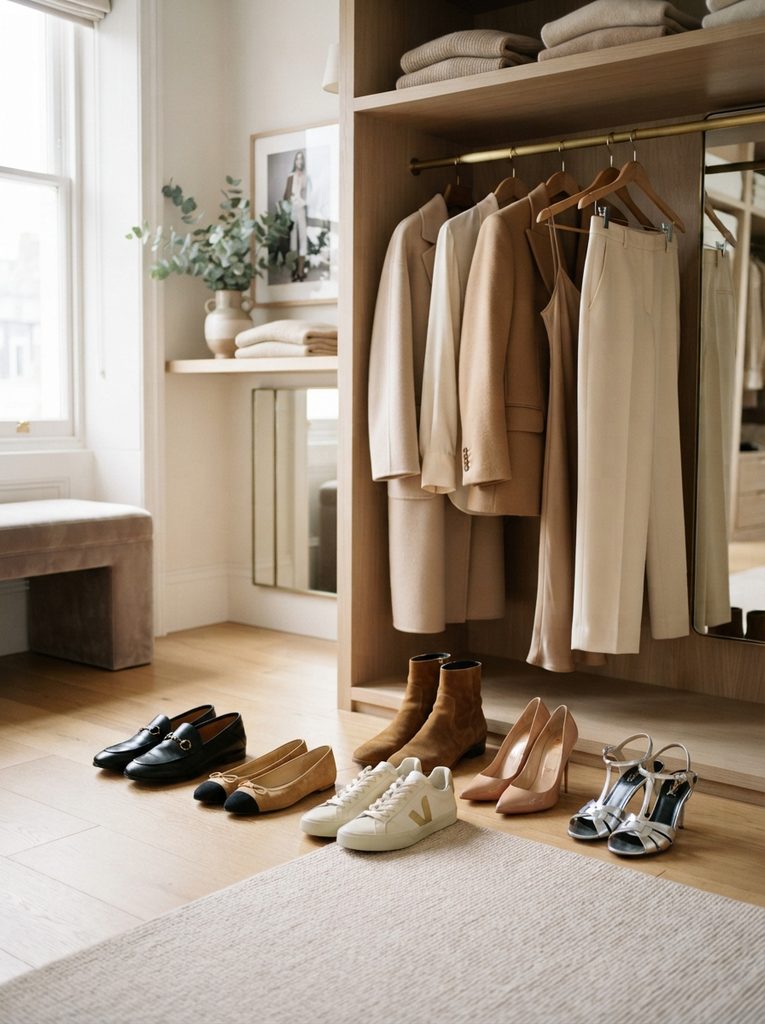
No single shoe color literally works with every outfit, but some shades are more adaptable than others. Black, nude, tan, medium brown, cream, and metallic shades can cover a wide range of everyday styling needs.
Black shoes are useful with dark trousers, tailored outfits, dresses, denim, and evening clothing. They are particularly effective when the outfit already includes black details.
Nude or skin-close shoes can create a subtle finish with dresses, skirts, cropped trousers, and lighter outfits. The best nude shade depends on your skin tone and the color of the clothing.
Tan and medium brown shoes are excellent with denim, cream, beige, olive, white, and warm neutrals. They often create a softer appearance than black.
Cream shoes can feel lighter and more contemporary with spring and summer outfits, although they can also work with fall clothing when paired with suitable textures.
Metallic shoes such as silver or muted gold can function as statement neutrals. They are particularly useful for evening outfits, celebrations, and otherwise simple clothing.
Your lifestyle should influence which color becomes a shoe staple. If you mostly wear black, gray, and navy, black footwear may be the most useful. If your wardrobe contains denim, cream, tan, and warm neutrals, brown shoes may provide more outfit combinations.
5. Shoe Color Guide: Matching Black Outfits
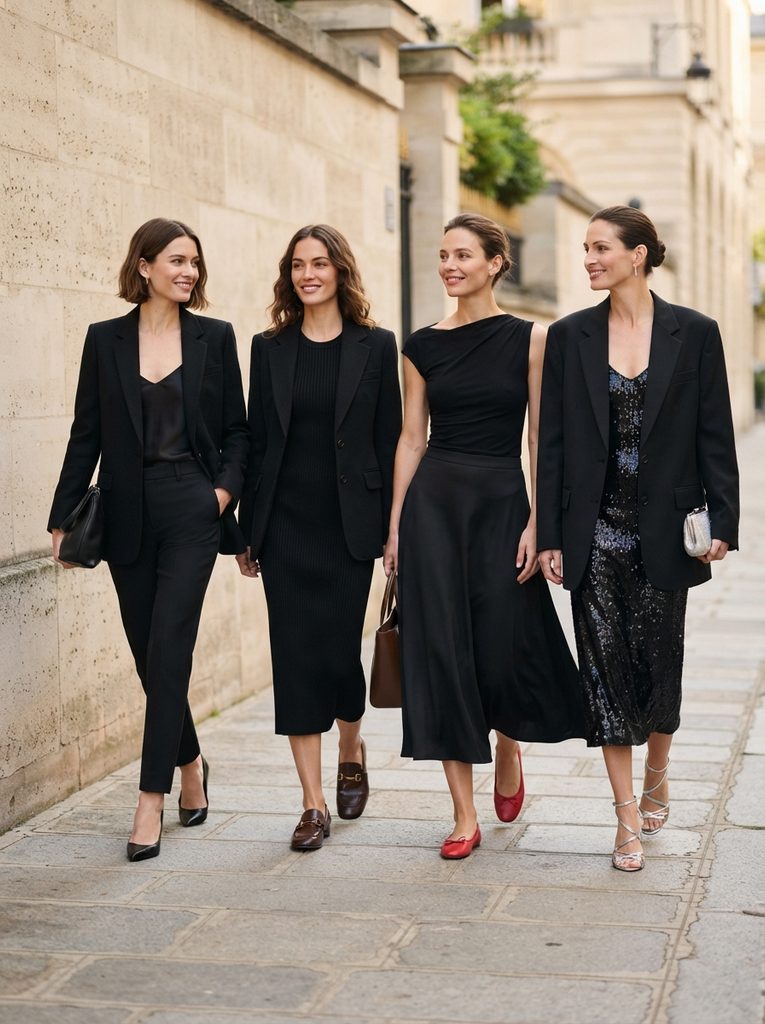
Black clothing gives you a wide range of shoe options, but the best choice depends on the mood you want.
Black shoes create a continuous, streamlined appearance. This works particularly well with black trousers, black tights, tailored dresses, and monochrome outfits. If the textures differ, such as a black satin dress with black leather pumps, the outfit can still have depth.
Brown shoes soften a black outfit and introduce warmth. Try chocolate-brown loafers with black wide-leg trousers, or brown boots with a black knit dress. The combination feels less severe than an all-black look.
Red shoes create a clear focal point. A black dress with red pumps or red ballet flats can look polished without requiring many accessories. Metallic silver or gold shoes can also work for evening dressing.
White sneakers introduce a casual contrast. They are particularly useful with black jeans, relaxed trousers, and simple day dresses, but the outfit should be balanced with the right proportions and accessories.
Choose Texture as Well as Color
A black suede shoe, patent pump, leather loafer, and canvas sneaker will create different impressions even when they share the same color. Texture helps determine whether the outfit feels formal, relaxed, soft, or dramatic.
6. Dress Shoe Color Guide for Formal and Evening Outfits
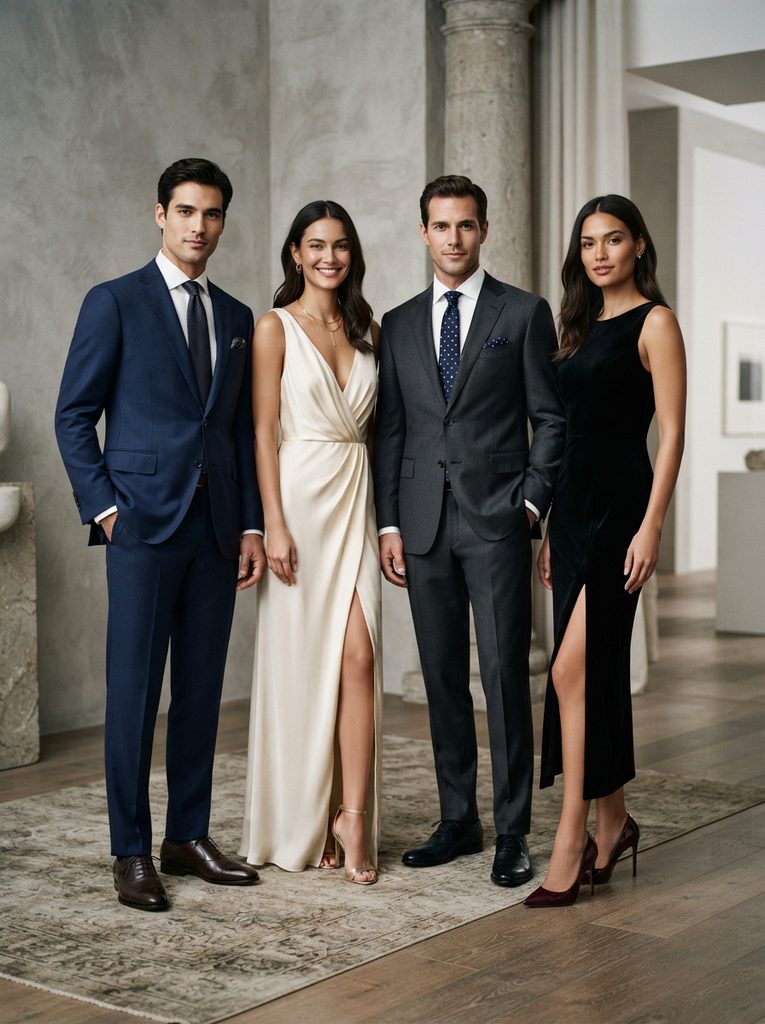
Dress shoes should complement both the color and formality of your clothing. A formal outfit does not always require black shoes, but the footwear should look intentional and well-finished.
Black dress shoes are a dependable choice with black, charcoal, navy, and other dark suits. For women’s formalwear, black pumps, pointed-toe flats, slingbacks, and sleek sandals can work with a variety of dresses and tailored separates.
Brown dress shoes are particularly useful with navy, beige, gray, and lighter brown clothing. Dark brown generally feels more formal than lighter tan, while cognac can create a more relaxed and warm appearance.
Burgundy shoes can add depth to neutral outfits. They work well with navy, gray, charcoal, cream, and some brown shades. Metallic shoes, meanwhile, are useful for evening events when the outfit needs a little visual interest.
For a wedding, gala, or formal celebration, consider the fabric of the outfit. Satin, velvet, silk, sequins, and polished tailoring may pair better with refined footwear than visibly worn casual shoes.
Match Formality Before Matching Color
A perfectly coordinated color cannot compensate for a shoe that feels too casual or too heavy for the occasion. Choose the appropriate shoe type first, then refine the color.
7. Office Outfit Shoes: Professional Color Coordination

Choosing Office Outfit Shoes requires a balance between appearance, comfort, workplace expectations, and the amount of walking you do during the day.
Black loafers, structured flats, low pumps, and simple ankle boots are useful choices for many professional wardrobes. They pair well with gray trousers, black skirts, navy tailoring, and neutral dresses.
Brown and tan shoes can soften an office outfit, especially when worn with beige, cream, olive, navy, or warm gray. Burgundy can add personality while remaining relatively restrained, particularly when the rest of the outfit is neutral.
If your workplace has a conservative dress code, keep the shape and finish simple. For a creative or business-casual environment, you may have more freedom to wear printed loafers, metallic flats, fashion sneakers, or a distinctive heel.
Comfort should be part of the decision. A shoe that is suitable for sitting at a desk may not be suitable for commuting, walking between meetings, or standing for several hours.
Build an Office Shoe Rotation
A practical office wardrobe may include:
- One black loafer or polished flat.
- One comfortable neutral pump or slingback.
- One brown or tan shoe for softer outfits.
- One weather-appropriate boot or closed-toe option.
- One more distinctive pair for days when you want extra personality.
For additional beauty and styling inspiration, you can also explore these popular nail designs when coordinating a complete look for work events, dinners, or seasonal occasions.
8. Shoe Pairing Guide Women: Matching Shoes With Dresses and Skirts
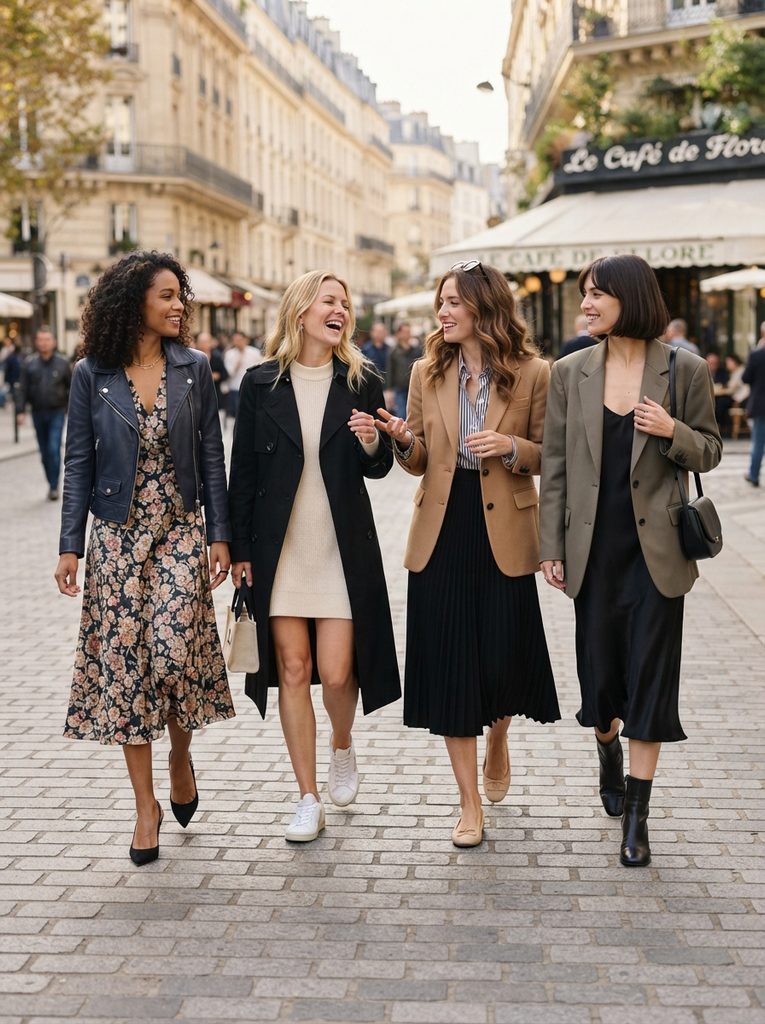
Dresses and skirts offer many shoe combinations, so the best choice depends on the length, fabric, silhouette, and occasion.
A midi dress with ballet flats creates a softer everyday appearance, while pointed-toe pumps make the outfit feel more formal. Sneakers can give a floral or knit dress a relaxed finish, especially when the dress has a simple shape.
Short dresses can work with sandals, loafers, ankle boots, Mary Janes, or heels. Consider the visual weight of the footwear. A heavy platform shoe creates a different effect from a delicate strappy sandal.
Long dresses and skirts often benefit from shoes that do not compete with the fabric. A sleek flat, low heel, or minimal sandal can work well, while a statement shoe may be useful when the dress has a simple design.
Color can also influence the proportions of the outfit. Shoes close to the color of your legs, tights, or trousers can create continuity. Contrasting shoes draw attention toward the feet and can make the outfit feel more graphic.
Balance the Dress Silhouette
A flowing dress can work with both delicate and structured footwear, but the choice changes the overall mood. A structured loafer adds contrast, while a fine sandal maintains a lighter appearance.
9. Seasonal Shoe Styling for Fall 2026
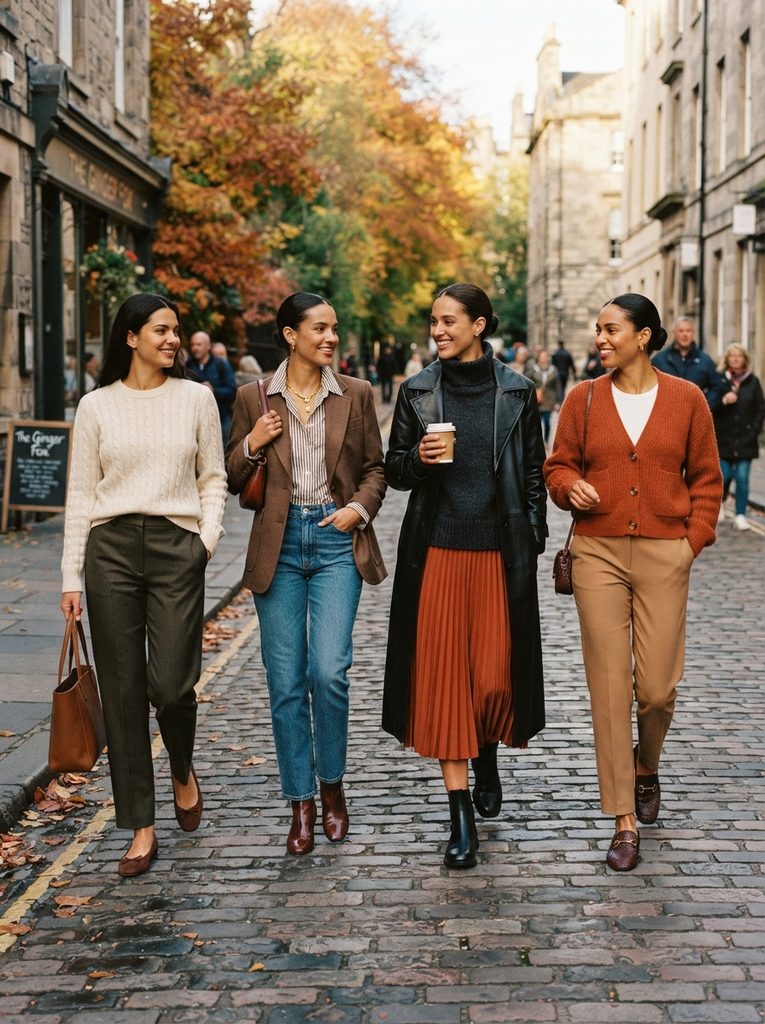
Fall is an ideal season to experiment with richer shoe colors, layered outfits, and more textured footwear. Chocolate brown, burgundy, deep olive, black, and warm tan can add depth to everyday clothing.
For September and early autumn, loafers, ballet flats, slingbacks, and lightweight ankle boots can work with jeans, midi skirts, tailored trousers, and transitional dresses. As temperatures fall, closed-toe boots and textured shoes become more practical.
Current Fall 2026 footwear coverage has highlighted kitten heels, soft slippers, T-strap shoes, pointed pumps, animal-print footwear, and statement colors. These trends can be incorporated into an everyday wardrobe without requiring a complete change in personal style.
For example, a chocolate-brown ballet flat can soften a black outfit, while a burgundy pump can add color to neutral tailoring. A printed shoe may become the focal point when paired with simple denim and a plain top.
Use Seasonal Texture to Add Interest
Suede, polished leather, velvet, and textured fabrics can make an outfit feel more appropriate for fall. Choose materials that suit the weather and the practical demands of your day.
10. Shoe Color Coordination for White, Beige, and Cream Outfits
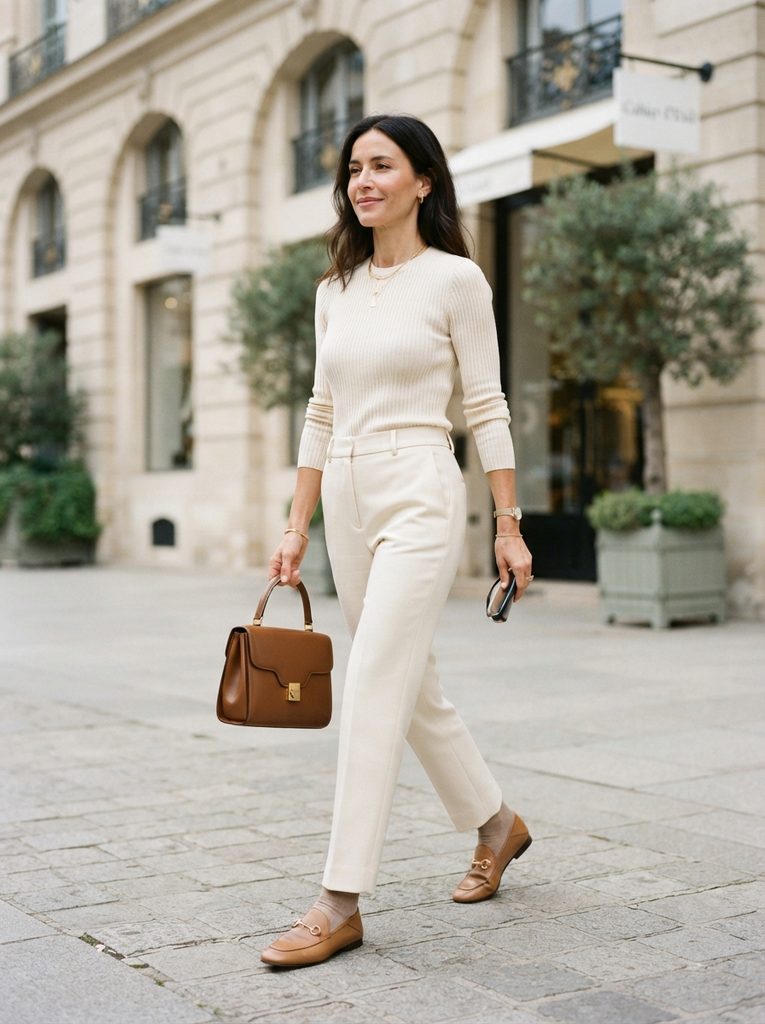
White, beige, and cream outfits create a clean foundation, so your shoes can either blend into the outfit or introduce a deliberate contrast. Nude, tan, ivory, and light brown shoes create a soft, coordinated appearance that works well for daytime outfits, summer events, office clothing, and minimal wardrobes. These shades also help maintain a long visual line, especially when the shoes are close to your skin tone.
Black shoes can create a sharper contrast with light-colored clothing, but the rest of the outfit should support that contrast. For example, black loafers with cream trousers can look polished when paired with a black belt or structured handbag. If you want a softer result, try chocolate brown, cognac, muted gold, or taupe instead. These colors add depth without making the outfit feel visually heavy.
H4: Best Shoe Choices for Light Outfits
- White outfits: Tan, nude, metallic gold, black, or matching white shoes.
- Cream outfits: Brown, camel, beige, burgundy, or soft metallics.
- Beige outfits: White, chocolate brown, black, animal print, or tonal beige.
- Ivory dresses: Nude sandals, champagne heels, metallic flats, or brown leather shoes.
11. What Shoes Go With Jeans and Casual Outfits?
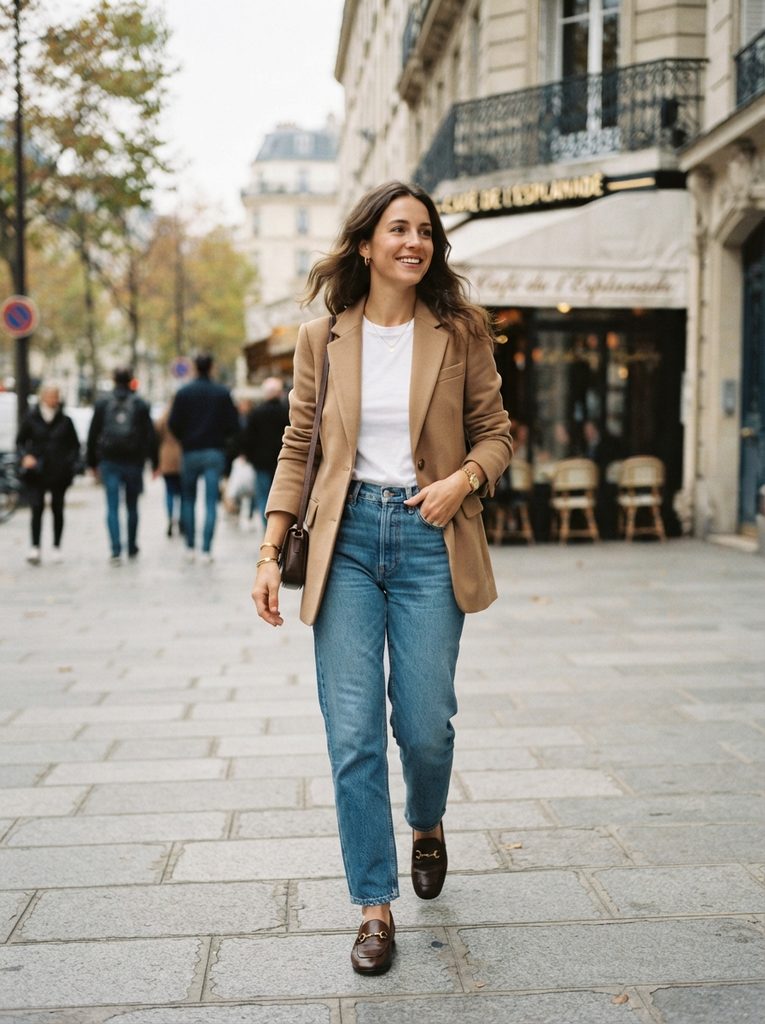
Jeans are flexible, but the best shoe choice depends on the cut, wash, and overall styling direction. Straight-leg jeans work with sneakers, loafers, ballet flats, ankle boots, and low-profile sandals. Wide-leg jeans usually look more balanced with shoes that have some visual weight, such as platform sneakers, chunky loafers, wedges, or boots with a structured sole.
For a relaxed daytime outfit, pair medium-wash jeans with white sneakers and a simple fitted top. If you want the same jeans to look more polished, replace the sneakers with pointed-toe flats, leather loafers, or kitten heels. Dark denim works particularly well with burgundy, black, chocolate brown, and metallic footwear because these shades make the outfit feel more intentional.
The shoe should also match the level of formality of the other pieces. A casual denim outfit with a delicate satin blouse may work with pointed flats or slim heels, while jeans styled with a graphic T-shirt are more naturally paired with sneakers, boots, or flat sandals.
H4: Casual Shoe Pairings to Try
| Jeans style | Shoe options |
| Straight-leg jeans | Sneakers, loafers, ballet flats |
| Wide-leg jeans | Platform sneakers, wedges, boots |
| Skinny jeans | Ankle boots, pointed flats, knee-high boots |
| Cropped jeans | Ballet flats, sandals, low-profile sneakers |
| Dark denim | Loafers, pumps, burgundy boots |
| Light-wash denim | White sneakers, tan sandals, casual flats |
H4: Add a Polished Beauty Detail
Your shoes do not have to match your hairstyle exactly, but the complete look becomes more coordinated when the styling feels intentional. For example, loafers and tailored jeans can work well with a sleek bun or slick-back hairstyles when you want a clean, structured appearance.
12. Matching Shoes With Wide-Leg and Straight-Leg Pants
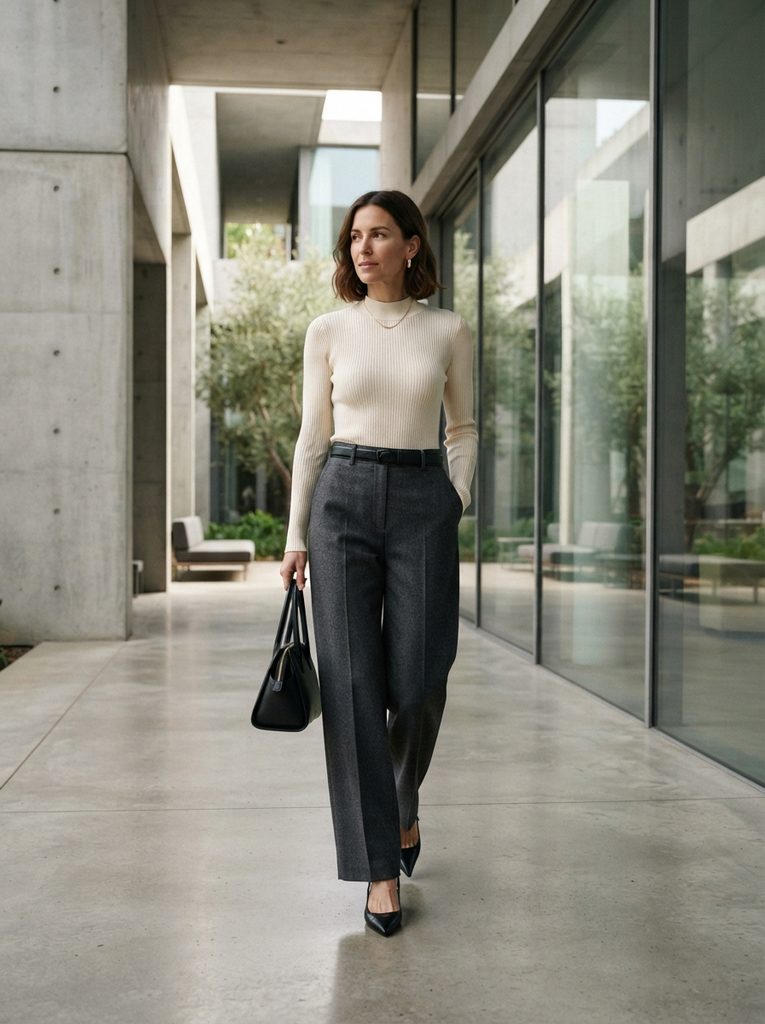
The shape of your trousers affects how your shoes appear. Wide-leg pants cover more of the foot, so the shoe should have enough structure or height to prevent the outfit from looking visually weighed down. This does not mean every wide-leg outfit needs heels. A flat shoe can work when the trousers are correctly hemmed and the sole has enough presence.
Platform sneakers, block-heeled sandals, pointed-toe shoes, and low wedges are useful options with wide-leg pants. If you prefer a more relaxed look, try wide-leg trousers with substantial loafers or sleek sneakers. Avoid pairing extremely wide trousers with very delicate shoes unless the styling is intentionally soft and the hem length allows the footwear to remain visible.
Straight-leg pants offer more flexibility. They can be styled with slim sneakers for a casual look, loafers for workwear, pointed flats for a feminine finish, or ankle boots during colder months. The hem should sit neatly over the shoe rather than bunching excessively around the ankle.
H4: Consider the Trouser Hem
Before choosing your shoes, check where the pants end:
- Full-length wide-leg pants: Use shoes with a structured sole or slight height.
- Ankle-length trousers: Show off flats, loafers, sandals, or ankle boots.
- Cropped straight-leg pants: Work well with ballet flats and low-profile sneakers.
- Long tailored pants: Pointed shoes can create a lengthened appearance.
- Relaxed linen trousers: Pair with sandals, woven flats, or simple sneakers.
13. Shoe Staples Every Wardrobe Needs
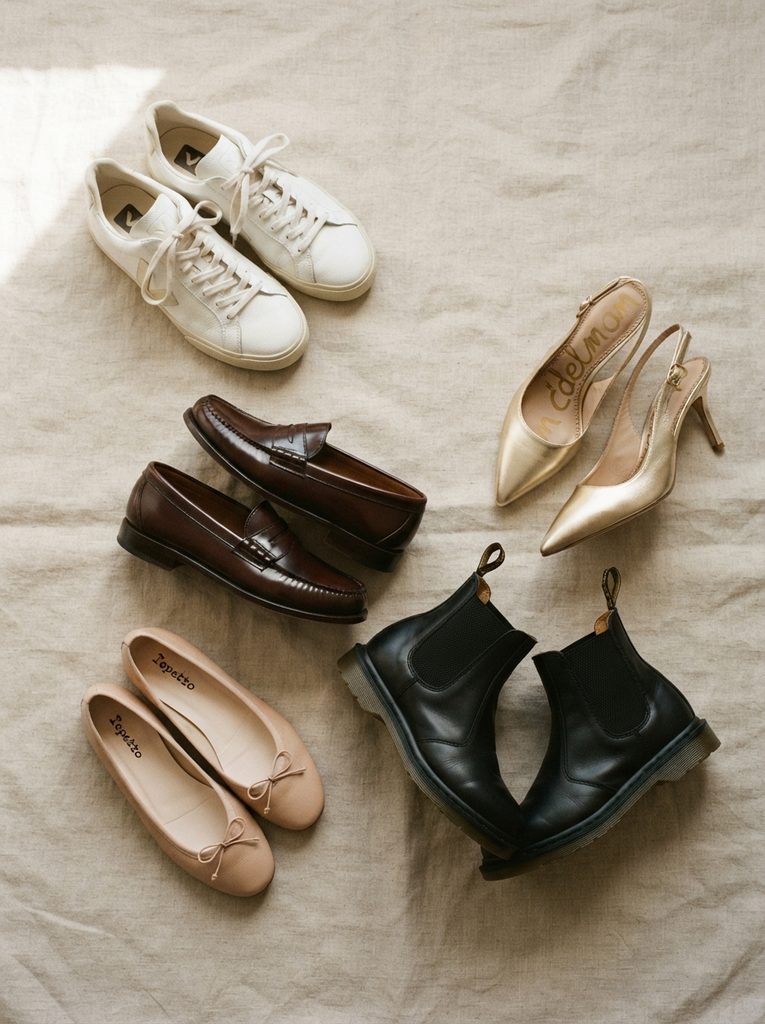
A useful shoe collection does not require dozens of pairs. A small wardrobe can cover most occasions when it includes a mix of neutral colors, practical silhouettes, and one or two distinctive styles. The right selection depends on your lifestyle, climate, workplace, and preferred clothing shapes.
A white or neutral sneaker is useful for casual outfits, while a loafer adds structure to jeans, trousers, and dresses. A simple flat or ballet flat can work for feminine outfits and everyday wear. An ankle boot provides coverage during cooler weather, and a dressier heel or slingback can be reserved for formal occasions. If you prefer warm tones, chocolate brown and tan can replace black in many outfits.
You can also add one statement shoe, such as a red pump, metallic sandal, printed flat, or embellished heel. Statement footwear works best when the clothing is relatively simple, allowing the shoes to become the focal point without competing with every other item.
A Practical Five-Shoe Collection
- Neutral sneakers: For casual outfits and everyday walking.
- Leather loafers: For office outfits, denim, and tailored trousers.
- Simple flats: For dresses, skirts, and comfortable polished looks.
- Ankle boots: For fall, winter, and transitional outfits.
- Dressy shoes: For weddings, dinners, celebrations, and formal events.
The 2026 footwear conversation includes both refined shapes and playful details, from slim shoes and kitten heels to embellished styles and colorful footwear. These trends can be added selectively rather than replacing every practical pair in your closet. Vogue’s Fall 2026 shoe trend report provides additional seasonal fashion context.
Color Combinations: Brown, Burgundy, Red, and Metallic Shoes
Neutral shoes are easy to style, but richer colors can make familiar outfits feel more distinctive. Brown shoes are especially versatile with cream, beige, denim, olive, navy, black, and warm gray. Chocolate brown creates a deeper effect, while tan and cognac feel lighter and more relaxed. When wearing brown shoes with an outfit that includes black, repeat the brown shade through a belt, bag, watch strap, or another small accessory.
Burgundy shoes add color without feeling as bright as red. They work well with gray, navy, cream, black, denim, and brown. Burgundy loafers or boots can be useful for fall outfits because the shade adds depth while remaining relatively easy to combine with neutral clothing.
Red shoes are more noticeable, so they work best when the rest of the outfit has a controlled color palette. Try red flats with denim and a white shirt, red pumps with a black dress, or red ballet flats with a cream outfit. You do not need to match your shoes to your handbag exactly. A small red detail elsewhere in the outfit can create connection, but the shoes can also stand alone as an accent.
Metallic shoes, including silver, gold, and champagne, are useful for evening outfits and can also work with simple daytime clothing. Silver often pairs well with gray, white, black, blue, and cool-toned colors. Gold works naturally with cream, beige, brown, warm white, and earthy shades.
H4: Easy Accent Shoe Formulas
| Shoe color | Outfit combinations |
| Chocolate brown | Cream, denim, black, olive, camel |
| Cognac | White, beige, blue denim, rust |
| Burgundy | Gray, navy, black, cream, brown |
| Red | Black, white, denim, neutral outfits |
| Silver | Black, white, gray, navy, cool pastels |
| Gold | Cream, beige, brown, warm neutrals |
| Animal print | Black, denim, white, camel, simple solids |
Image prompt: Editorial fashion photograph of a woman wearing a minimal black midi dress with striking burgundy pointed-toe shoes and a small matching accent handbag, elegant urban evening setting, realistic fabric and leather details, soft cinematic lighting, sophisticated but wearable styling, vertical 2:3 Pinterest format, no text, no watermark.
Common Shoe Matching Mistakes
Matching shoes with outfits is not only about color. Proportion, occasion, comfort, and visual balance can change the result even when the colors technically work together.
Choosing Shoes Only Because They Match the Color
A shoe can match the color of your outfit and still feel wrong for the occasion or silhouette. For example, delicate sandals may not provide enough structure with heavy winter clothing, while chunky boots may overpower a lightweight summer dress. Consider the weight and texture of the clothing before focusing only on color.
Ignoring the Outfit’s Proportions
Wide-leg trousers, oversized coats, and long skirts need footwear that balances their volume. Very small shoes may disappear under a large silhouette, while an oversized shoe can make a fitted outfit feel heavy. Look at the full outfit in a mirror rather than judging the shoes separately.
Wearing Too Many Competing Statement Pieces
A bold shoe can be attractive, but pairing it with a highly patterned outfit, large accessories, and dramatic outerwear may make the styling feel crowded. If your shoes have embellishments, bright color, or a distinctive print, keep at least some of the other pieces simple.
Forgetting the Practical Setting
A shoe that looks appropriate in a photograph may not be suitable for walking, commuting, rain, uneven ground, or a long event. Think about how long you will wear the shoes and whether you need support, traction, or weather protection.
A Quick Check Before Leaving
Ask yourself:
- Does the shoe suit the occasion?
- Does its shape work with the trouser or skirt length?
- Is the color supporting or competing with the outfit?
- Can I comfortably wear it for the planned activity?
- Does the outfit look balanced from head to toe?
Image prompt: Realistic fashion consultation scene showing a woman checking a complete outfit in a full-length mirror, several shoe options placed neatly nearby, neutral bedroom wardrobe setting, natural window light, authentic styling process, editorial lifestyle photography, vertical 2:3 format, no text, no watermark.
16. Practical Rules for Matching Shoes With Any Outfit
When you are unsure which shoes to choose, a few simple rules can make the decision easier. These are not strict fashion laws, but they provide a useful starting point when you are dressing quickly.
Match the formality first. A formal dress usually needs refined footwear, while casual clothing often works better with sneakers, flat sandals, loafers, or relaxed boots. The shoe should feel like part of the same occasion.
Repeat one visual detail. If your shoes are brown, you can repeat brown in a belt, bag, jewelry detail, or hair accessory. The repetition does not need to be exact. A related tone is often enough.
Use contrast intentionally. Black shoes with a cream outfit create a clear contrast. Nude shoes with a beige dress create a blended effect. Neither approach is automatically better. Choose based on the mood you want.
Think about the hemline. The amount of shoe visible changes how the outfit looks. Cropped trousers highlight footwear, while long trousers may cover most of the shoe. Check the hem before choosing a delicate or detailed design.
Keep comfort in the equation. A beautiful shoe is less useful if you cannot walk or stand comfortably in it. For everyday outfits, prioritize fit and support, then consider color and trend details.
H4: The Three-Question Styling Method
When you are in a hurry, answer these questions:
- Where am I going? This determines the level of formality.
- What is the strongest color in my outfit? This helps you choose a matching neutral or intentional contrast.
- What silhouette am I wearing? This guides the shoe shape, height, and visual weight.
Image prompt: Photorealistic personal styling editorial showing a fashion-conscious woman comparing two pairs of shoes beside a carefully coordinated outfit on a clothing rack, modern dressing room, soft daylight, realistic materials, refined neutral palette, vertical 2:3 Pinterest composition, no text, no watermark.
How to Build a Small Shoe Wardrobe
A small shoe wardrobe becomes easier to manage when each pair has a clear purpose. Instead of buying shoes because they are trending, consider which outfits you already wear and identify the gaps in your collection.
Start with a neutral everyday shoe. White, cream, black, tan, or brown can all work, depending on your wardrobe. Next, choose a pair that supports your work or formal clothing. If you wear trousers frequently, loafers or pointed flats may be more useful than delicate sandals. If you attend events often, invest in a comfortable dress shoe that works with several colors and dress lengths.
Your third priority should be weather and lifestyle. Someone who walks frequently may need supportive sneakers, while someone living in a cold climate may rely on boots. Those practical needs should guide the collection more than seasonal trend reports.
Finally, add one expressive pair. This could be a burgundy loafer, red flat, metallic heel, printed mule, or embellished sneaker. The statement pair gives you variety without requiring an entirely new wardrobe.
Before Buying Another Pair
Check whether the new shoes:
- Work with at least three outfits you already own.
- Suit your regular lifestyle and climate.
- Offer a different function from your existing shoes.
- Can be worn for a reasonable amount of time.
- Fit your preferred trouser, skirt, and dress lengths.
- Add useful color or texture to your wardrobe.
A carefully chosen shoe collection helps you style more outfits with fewer purchases. It also makes daily dressing easier because you already know which silhouettes and colors work with your clothes.
Image prompt: High-quality realistic wardrobe organization photograph featuring a compact collection of neutral and accent shoes arranged on open shelves, loafers, sneakers, ankle boots, ballet flats, and metallic heels, elegant dressing room, warm natural light, premium lifestyle editorial style, vertical 2:3 Pinterest format, no text, no watermark.
Frequently Asked Questions
What color shoes go with almost everything?
Black, nude, tan, brown, and metallic shoes are among the most flexible choices. The best option depends on your wardrobe. Black works well with high-contrast outfits, while nude and tan create a softer appearance. Brown is particularly useful with cream, denim, beige, olive, and other warm neutrals.
Should shoes match the handbag?
Shoes and handbags do not have to match exactly. Matching them can create a coordinated appearance, but using related tones or complementary colors often looks more modern and relaxed. For example, brown shoes can work with a cream handbag, while burgundy shoes can be paired with a black or tan bag.
Can I wear black shoes with a brown outfit?
Yes. Black shoes can work with brown clothing, especially when the outfit includes another black detail, such as a belt, handbag, sunglasses, or jacket. If you want a softer tonal look, choose chocolate brown, tan, or cognac shoes instead.
What shoes should I wear with a dress?
The best shoes depend on the dress length, fabric, occasion, and season. Sandals and flats work well for relaxed daytime dresses, while pumps, slingbacks, or refined heels may suit formal events. Ankle boots can add structure to casual and transitional outfits.
Are white shoes still useful in 2026?
White sneakers and other light-colored shoes remain practical wardrobe choices because they work with denim, casual trousers, dresses, skirts, and relaxed tailoring. Their usefulness comes from their clean appearance and versatility, not from needing to follow a particular trend.
How do I choose shoes for wide-leg pants?
Choose shoes that balance the volume of the trousers. Platform sneakers, wedges, structured loafers, pointed shoes, and boots can all work, depending on the hem length and outfit style. Make sure the pants do not drag on the floor and that the shoe remains comfortable.
Do my shoes need to match my clothes exactly?
No. Shoes can match, complement, or contrast with your clothing. A tonal combination creates a subtle look, while a contrasting shoe can act as the main accent. The most important factors are balance, occasion, proportion, and personal comfort.
Conclusion
Matching shoes with outfits in 2026 is less about following strict rules and more about understanding color, proportion, occasion, and personal style. Neutral shoes make everyday dressing easier, while shades such as burgundy, red, metallic gold, and silver can add interest to simple outfits.
Start by considering where you are going, the shape of your clothing, and the overall mood you want to create. Choose shoes that support the outfit rather than competing with it, and do not overlook comfort when planning a full day of wear. With a small collection of practical neutrals and a few expressive styles, you can create more coordinated outfits without buying shoes for every individual look.